
A microcomputer is a small, inexpensive computer with a single integrated circuit microprocessor for its CPU, memory, and input/output circuitry all on a printed circuit board. This design made them more affordable and accessible, leading to their widespread adoption in the 1970s and 1980s for applications that included personal use, workstations, and a variety of other tasks.
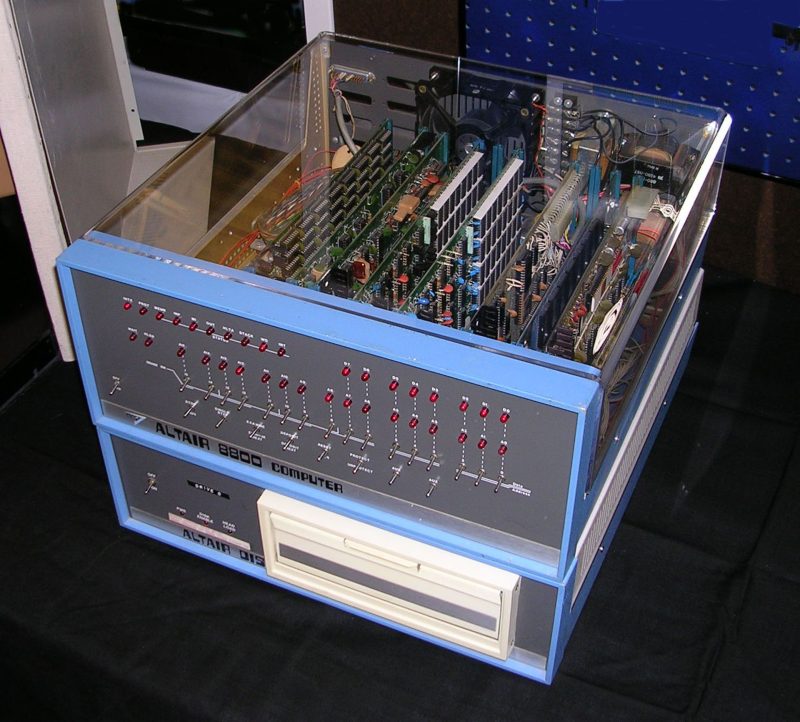
Central Processing Unit (CPU): A single integrated circuit microprocessor serves as the CPU, performing all the logic and arithmetic operations.
Memory: The system includes associated chips for both program instructions and data storage, such as Random Access Memory (RAM) and Read-Only Memory (ROM).
Input/Output (I/O): Interface circuits allow the microcomputer to exchange data with peripheral devices like keyboards, monitors, and printers.
Architecture: The CPU, memory, and I/O components are all integrated onto a single printed circuit board (PCB).
Historical Context: The term "microcomputer" was once a common term for "personal computers," and they became popular with the advent of powerful microprocessors.
Examples: Common examples of devices based on microcomputer architecture include laptops, desktops, smartphones, and single-board computers.