
An embedded system is a computer system with a dedicated function, often part of a larger device, designed using a combination of hardware and software to perform specific tasks. These systems are typically microprocessor or microcontroller-based and are required to respond to inputs in real-time to control or interact with real-world things. They are prevalent in countless devices, from home appliances to complex industrial and medical equipment.
Key characteristics
- Specific Function: An embedded system is designed for a particular purpose, unlike a general-purpose computer.
- Hardware and Software: It integrates dedicated software onto specific computer hardware to perform its function.
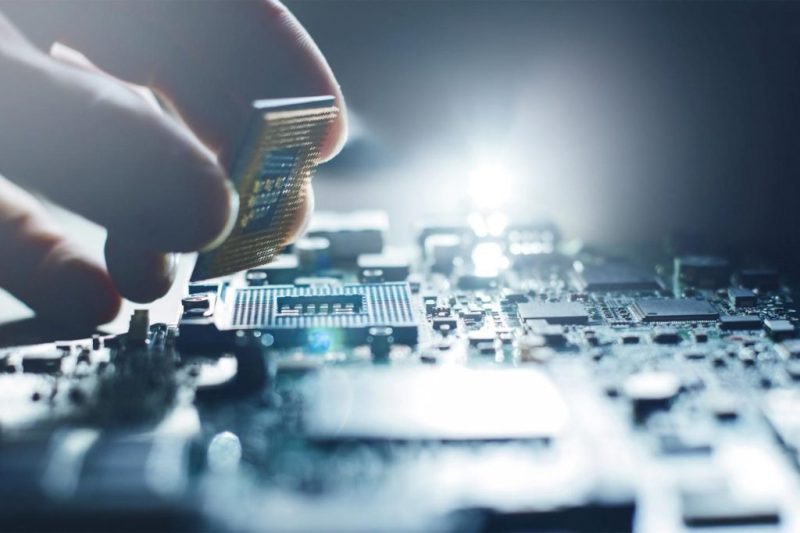
- Microprocessor/Microcontroller: It relies on either a microprocessor or a microcontroller for its processing power.
- Real-time Response: These systems are often designed to respond to inputs immediately, which is crucial for controlling external devices.
- Integration: They can be standalone devices or a small, integrated part of a larger system.
Examples
- Consumer electronics: The system in a microwave that controls cooking time and temperature.
- Automotive: Engine control units (ECUs) that manage fuel injection and ignition.
- Medical devices: Pacemakers or infusion pumps that must operate with precision.
- Industrial equipment: Robots on an assembly line that perform a specific, repetitive task.