
An analog computer is a type of computational device that uses continuously varying physical phenomena, like voltage or mechanical movement, to model and solve problems. Unlike digital computers that use discrete values, analog computers represent information through the physical state of their components, making them useful for real-time simulations in areas like engineering and physics. The Antikythera mechanism, an ancient Greek astronomical calculator, is considered the first known analog computer.
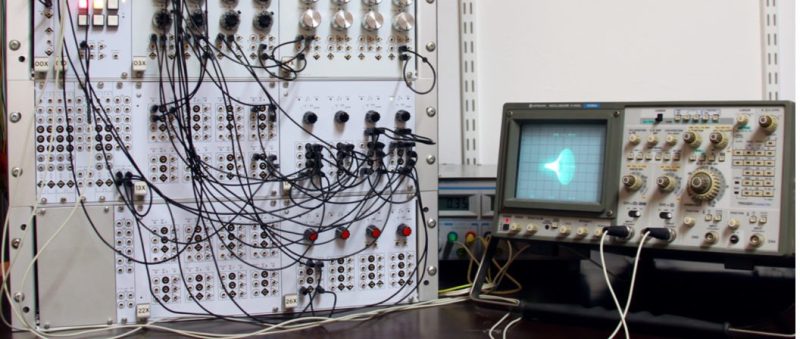
- How they work: Analog computers process information by using an equivalent physical system to represent the problem's variables. For example, electrical voltages, currents, or mechanical quantities are used to model mathematical principles.
- Analog vs. digital: The key difference is the type of signal used. Analog computers use continuous, infinitely variable signals (like a sound wave), while digital computers use discrete, finite values (like binary code).
- Applications: They are effective for solving problems that involve differential equations or require real-time simulation, providing immediate insight into a system's behavior